Women with disabilities empowered to recognise and report gender-based violence
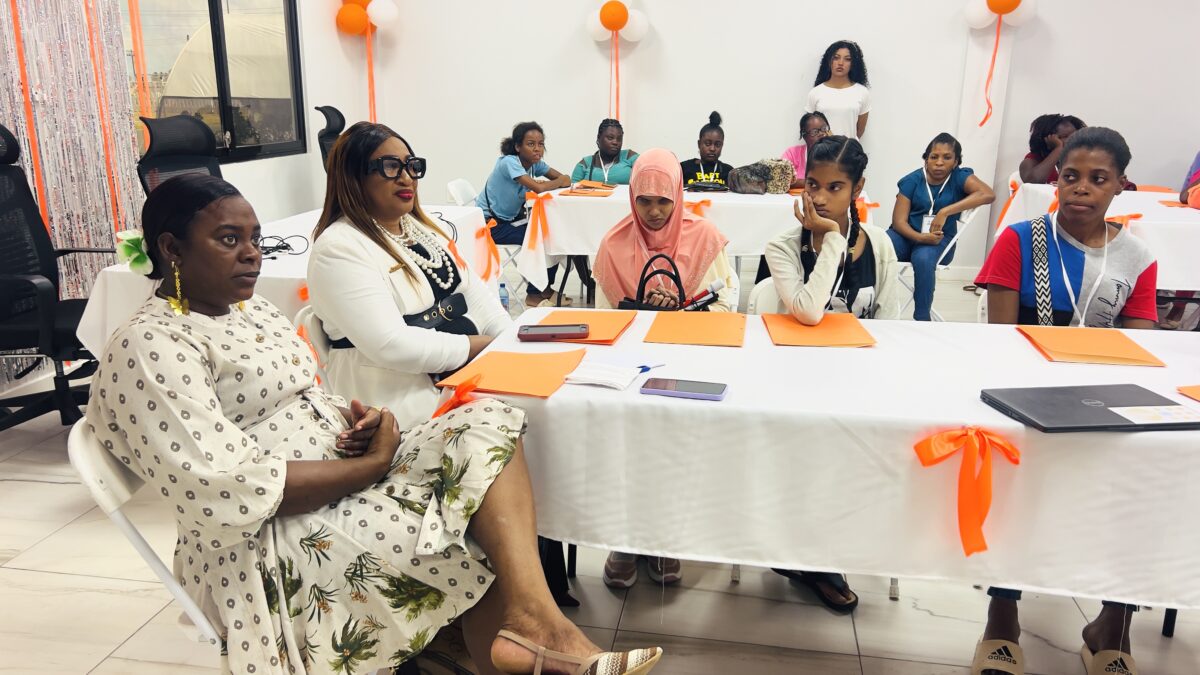
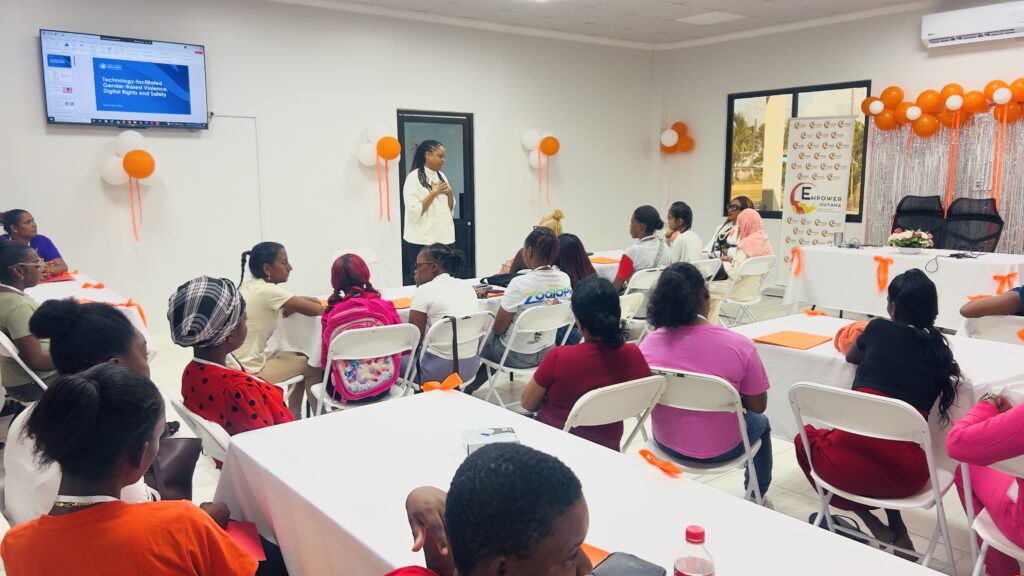
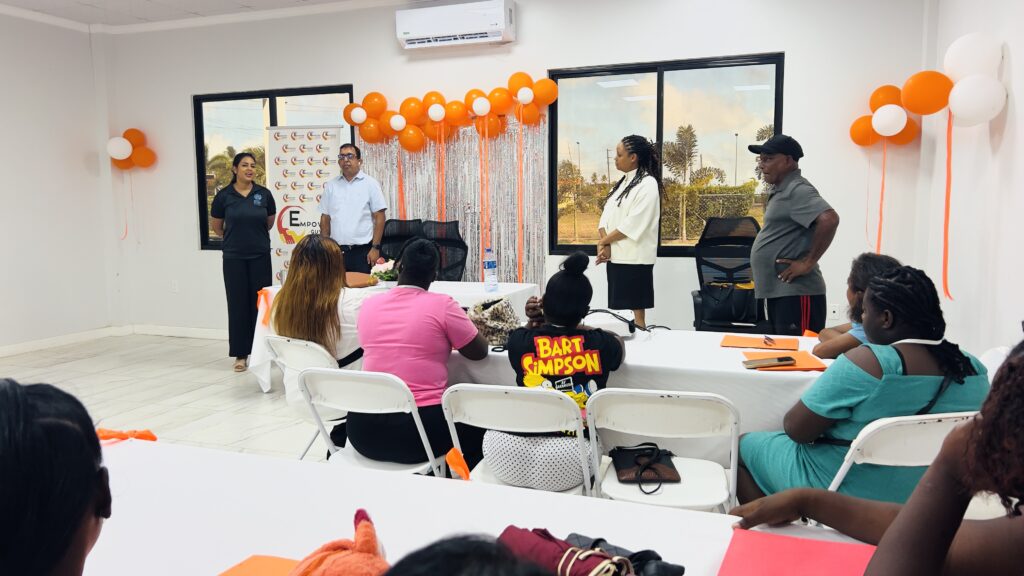
Women with disabilities from Region Six and other parts of Guyana are being empowered to recognise, report and seek support in cases of gender-based violence through a workshop held on Friday morning at the Centre for Equity, Opportunity and Innovation at Palmyra, Berbice.
The workshop, which catered for approximately 35 to 40 women between the ages of 18 and 40, was organised in observance of the annual 16 Days of Activism Against Gender-Based Violence campaign.
Chairman of the National Commission on Disability, Ganesh Singh, explained that the activity was a collaborative effort involving the Guyana Council of Organisations for Persons with Disabilities (GCOPD), the Centre for Equity, Opportunity and Innovation, and the United Nations system.
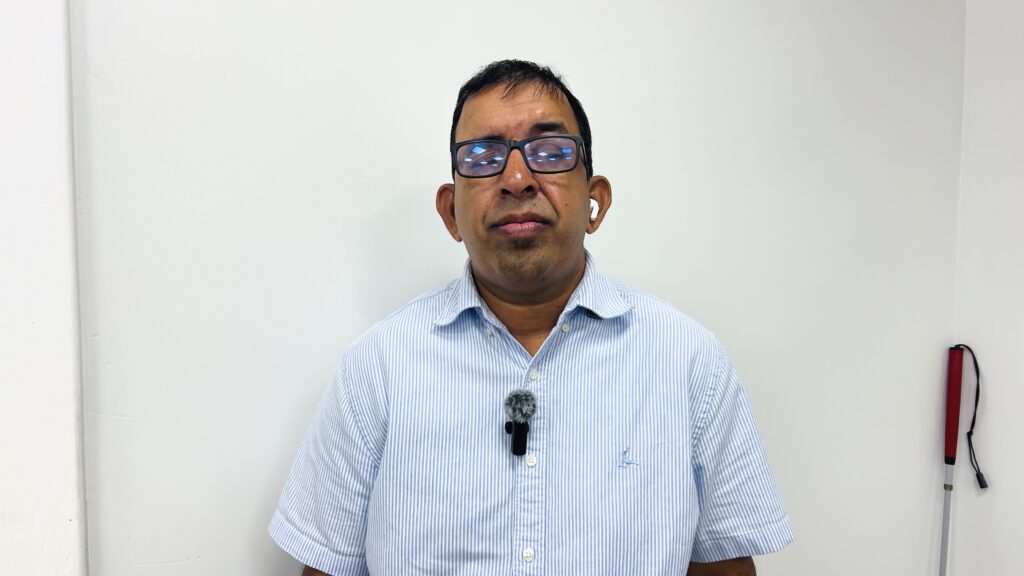
Singh said the initiative seeks to ensure that women with disabilities are aware of the support systems available to survivors of gender-based violence, while also addressing the need to make those services more accessible and disability-inclusive.
He noted that gender-based violence is prevalent within the community of persons with disabilities, but obtaining accurate figures remains a challenge because many victims are reluctant to report incidents or seek assistance.
Among the factors contributing to this reluctance, Singh identified financial dependence on perpetrators, living in the same household as their abusers, and the lack of accessible facilities and support services.
He explained that these circumstances place women with disabilities at an even greater disadvantage when attempting to escape abusive situations or access assistance.
Singh further highlighted the need for shelters to be equipped with wheelchair-accessible ramps and washrooms, while ensuring that sign language interpreters are available to assist deaf survivors when reporting incidents to the police or seeking help from social workers.
Regarding access to interpreters within government agencies, Singh said that, to his knowledge, the Guyana Police Force and the Ministry of Human Services and Social Security do not have sign language interpreters permanently employed. However, he noted that both agencies can seek assistance through their existing relationships with the National Commission on Disability.
He said the Commission has received calls from police officers across various stations seeking assistance in identifying sign language interpreters to facilitate communication with deaf persons.
Singh expressed hope that trained interpreters would eventually be employed within these agencies to provide more consistent and accessible services.
He also acknowledged the challenges faced by persons with disabilities in hinterland communities, noting that the geographical nature and vastness of those regions make service delivery more difficult, particularly since persons with disabilities are often scattered across different communities.
Meanwhile, Singh referenced research conducted during the COVID-19 pandemic by researchers Dr Ruth Rodney and Dr Kendra Pitt, in collaboration with the GCOPD and other partners in Guyana. The research examined gender-based violence among women with disabilities and provided empirical evidence supporting concerns that advocates had previously raised about the prevalence of abuse within the community.
He noted that while improvements have been made in making support systems more inclusive, there is still considerable work to be done.
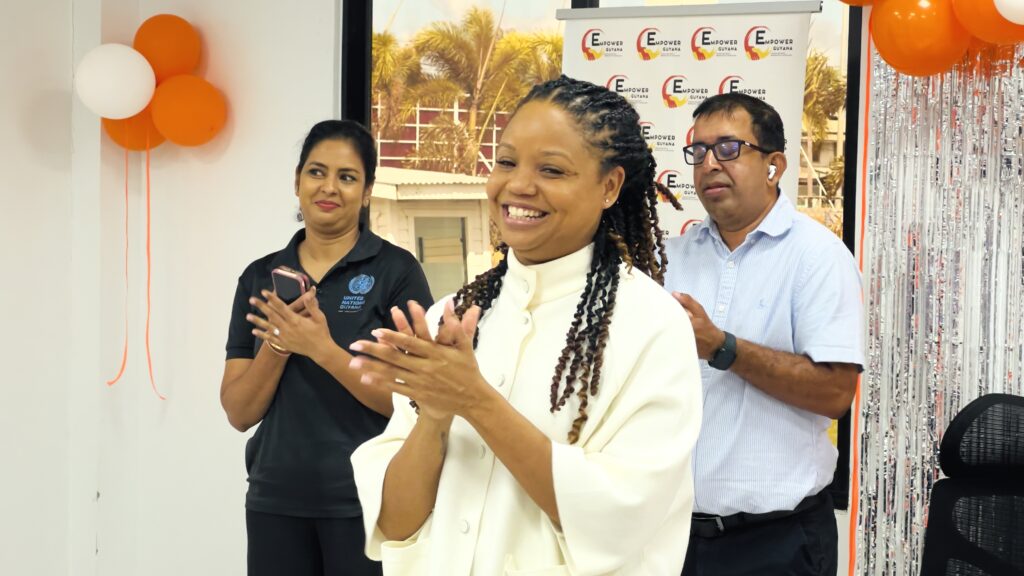
Singh explained that for the past four to five years, similar workshops have been conducted in Region Four in observance of the 16 Days of Activism. However, women from Regions Five, Six, Seven, Ten and Two previously had to travel to Georgetown to participate.
This year, organisers decided to take the initiative beyond Georgetown, with the Palmyra workshop forming part of efforts to bring these discussions and support opportunities directly to women with disabilities in the regions.